Tree‑lined streets, river light, and timeless architecture. If that mix draws you to Elbow Park, you are not alone. Buying here often means balancing character, design goals, and practical reviews like heritage status and flood mapping. In this overview, you will learn how heritage guidelines work, what recent flood map updates mean for basements and rebuilds, and the smart steps to take before you write an offer. Let’s dive in.
Elbow Park at a glance
Elbow Park sits along the Elbow River in southwest Calgary with quick access to the pathway network and nearby urban amenities. It is part of the West Elbow Local Area Plan area, which guides growth and heritage policy locally. The community is almost entirely single‑family homes, from early 1900s houses to high‑end modern architecture on large lots.
The numbers tell a clear story. Owner occupancy is about 94 percent, the median 2020 household income is about $288,000, the average household size is 2.9, and roughly 98 percent of dwellings are single‑detached. These figures point to a stable, affluent, family‑oriented district. You can review the City’s community profile for the full snapshot in the Elbow Park PDF on the City’s website. See the City profile for Elbow Park.
What heritage means here
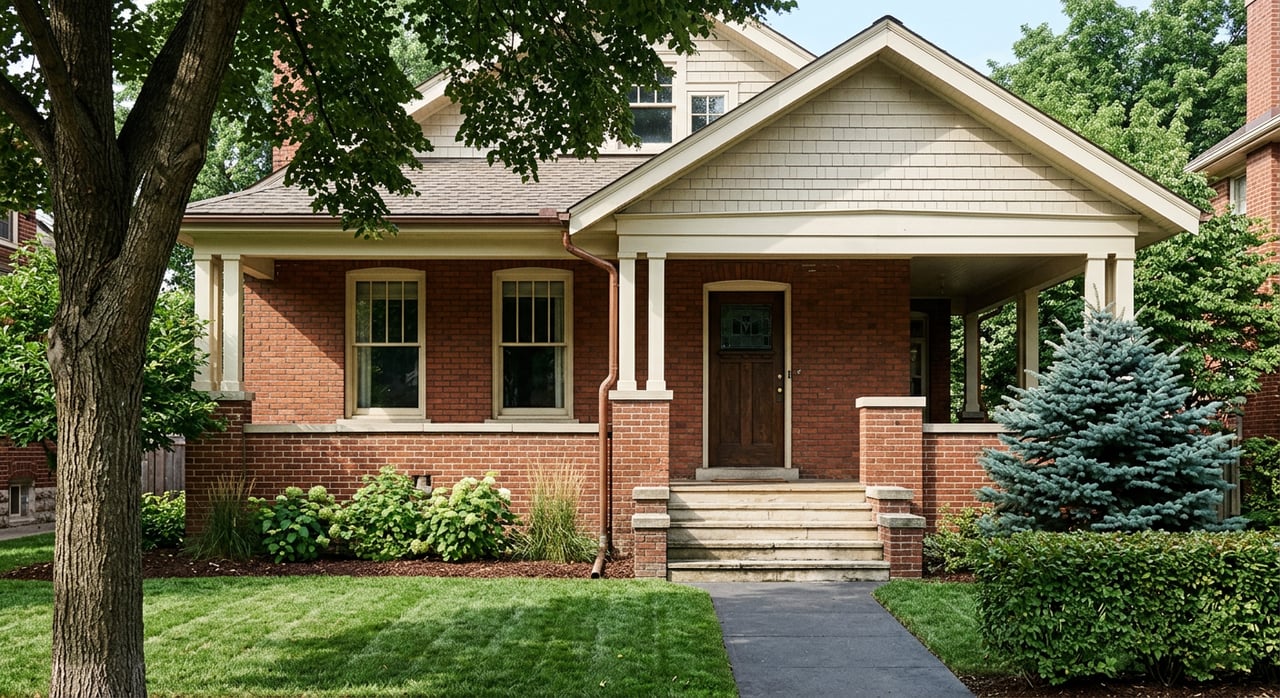
Elbow Park’s charm shows up in intact façades, mature trees, original rooflines, and a mix of historic and contemporary design. Several homes and community features are evaluated for heritage value, and you will see a blend of conserved houses and thoughtful new builds that respect the streetscape.
Inventory vs designation
The City maintains an Inventory of Evaluated Historic Resources. Being on the Inventory signals documented heritage value and triggers a heritage review during applications, but it does not by itself stop demolition or changes. Only a Municipal Historic Resource designation, created by bylaw under the Historical Resources Act, sets legal protections and approval requirements. Before you buy, confirm whether a property is Inventory‑listed or legally designated. Learn how the City reviews heritage properties on the Heritage Planning page. Understand inventory and designation.
Area‑based heritage tools
Elbow Park is covered by the West Elbow Communities Local Area Plan, which introduces Heritage Guideline Areas. In these mapped areas, some residential development is discretionary so the City can apply design guidelines for massing, materials, rooflines, and windows. The goal is compatible, contextual design at the block level rather than protecting every old house individually. If you plan a major remodel or a new build, expect added design review and possible trade‑offs to fit the guidelines. Review the West Elbow heritage tools.
Incentives for owners
The City has increased conservation funding and approved a pilot municipal heritage tax cancellation program for designated properties. Incentives typically require legal designation and a conservation agreement, and they focus on preserving identified heritage elements. If you are weighing restoration against replacement, review current grants and eligibility early. Explore City heritage incentives.
Renovation and rebuilds
Heritage review and permits
If a house is Inventory‑listed, Heritage Planning reviews development, demolition, and building applications and provides advisory comments. If a house is a designated Municipal Historic Resource, the designation bylaw creates binding controls, and exterior changes or demolition need Heritage Planning approval and may require Council action. Plan for extra consultation and timeline where heritage applies. See the City’s heritage permit review process.
Guideline areas and design
Inside Heritage Guideline Areas, proposals are assessed for compatibility with the published guidelines. You can modernize, but designs should respect the streetscape context. For buyers who want bold additions or significant massing changes, build in time for design iterations and community context review. Early conversations with the City will help set expectations.
Land use and lot details
Elbow Park is primarily low‑density residential. Citywide land‑use changes and updated residential districts affect infill, narrow lots, and rebuild rules. Always confirm a parcel’s Land Use District, any Direct Control or overlay, and whether it sits in a Heritage Guideline Area. The City’s Land Use Bylaw mapbook is the authoritative tool for parcel‑level checks. Check Land Use Districts and overlays.
Flood risk made simple
Why updates matter now
Major projects like the Springbank Off‑Stream Reservoir and Glenmore gate upgrades changed downstream flood behavior on the Elbow River. The Province and City updated flood hazard mapping in 2024 and 2025, and the City’s Calgary River Valleys Project is integrating new regulatory maps and proposing a Groundwater Flood Fringe overlay. The City has signaled that amended Land Use Bylaw regulations reflecting these maps will go to Council in 2026. Always check the most current mapping when you are preparing an offer. Get the latest City flood mapping updates.
Maps and rules in practice
Provincial maps define Floodway, Flood Fringe, High Hazard Flood Fringe, and Protected Flood Fringe for the 1:100 design event. The City’s Regulatory Flood Map applies these zones in the Land Use Bylaw and sets rules for development, finished‑floor elevations, and lower‑level uses. In higher hazard areas, new development is constrained and basement living spaces may be limited. For any address near the river, confirm both the provincial hazard map and the City’s Regulatory Flood Map. Use the Alberta Flood Awareness Map.
Groundwater and basements
River floods can raise groundwater levels and lead to basement flooding even where no overland water reaches a lot. The City’s proposed Groundwater Flood Fringe overlay reflects that risk, and draft regulations address foundation design, utility elevations, sump and backflow systems, and waterproofing. Plan for these requirements when you budget for a renovation or a new build. Read the City’s groundwater guidance.
Insurance and mortgages
Insurers use their own risk models, which may differ from provincial or municipal maps. Some offer overland or groundwater endorsements while others exclude them. If a home is near mapped flood zones, secure written insurer guidance during conditions to avoid surprises on coverage or premium. Review the City’s overview of insurance considerations.
Streetscape and lifestyle
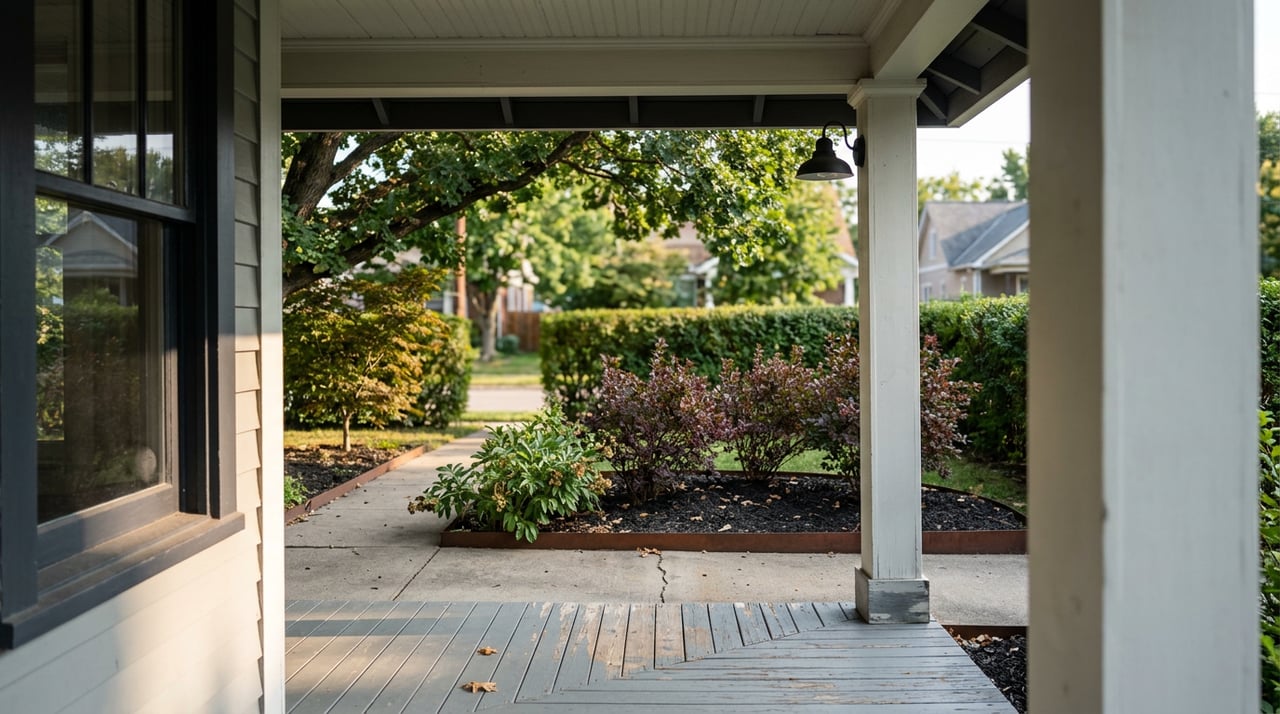
You will find mature trees, landscaped front yards, and generous lots, with some parcels stepping down toward the river. That topography can make for interesting architecture and outdoor spaces. It can also introduce slope, setback, erosion, or riparian considerations on select river‑adjacent sites.
Daily life here is about proximity and calm. You are close to the Elbow River pathway for walking and cycling, and near the 4th Street and 17th Avenue corridors for shopping and dining. J.H. Woods Park anchors community recreation, and Elbow Park School (K–6) serves local families in the Calgary Board of Education system.
Buyer checklist
Use this quick plan before you write an offer or start design work:
- Confirm the parcel on both the City’s Regulatory Flood Map and the Province’s Flood Awareness Map. Ask the City for the designated flood elevation if the lot is mapped. Check provincial flood mapping
- Verify the Land Use District and any overlays, including whether the property sits in a Heritage Guideline Area or a Direct Control district. Search Land Use Bylaw maps
- Search the City and Heritage Calgary resources to see if the property is on the heritage Inventory, and confirm whether it is legally designated as a Municipal Historic Resource. Start with the City’s heritage page
- Request recent site and grade information, including any past basement or overland flood claims. Commission geotechnical or structural advice where slopes or river proximity apply. See the City’s flood project page
- Get insurer confirmation on overland and groundwater coverage for the specific address if the home is near the river. Insurance overview from the City
- If you plan to renovate, book a pre‑application meeting with Planning and Heritage Planning to align on scope, timelines, and documentation. Understand heritage permit review
Work with a design‑minded advisor
Buying in Elbow Park often means navigating heritage, design guidelines, and flood considerations while also competing for scarce, high‑quality inventory. A boutique, architecture‑aware approach can help you secure the right home and plan improvements that fit the street. Our team pairs local expertise with access to select pocket and off‑market opportunities for privacy‑minded clients.
If you are exploring Elbow Park, let’s talk about your wish list, timeline, and the right due diligence path. Reach out to Kyle Dexter for a private conversation and next steps tailored to you.
FAQs
If a home is on the Elbow Park heritage Inventory, can it be demolished?
- Yes. Inventory listing triggers City heritage review but does not create legal protection. Only a Municipal Historic Resource designation brings binding controls on alterations and demolition.
Did the Springbank reservoir eliminate Elbow River flood rules for buyers?
- No. It reduced risk in many scenarios, but residual overland and groundwater risks remain. Always check the latest provincial maps and the City’s Regulatory Flood Map for a specific property.
Will Heritage Guideline Areas stop me from modernizing an older Elbow Park home?
- Not necessarily. Guidelines focus on compatible, contextual design. Many contemporary projects can proceed after discretionary review and design alignment with the block’s character.