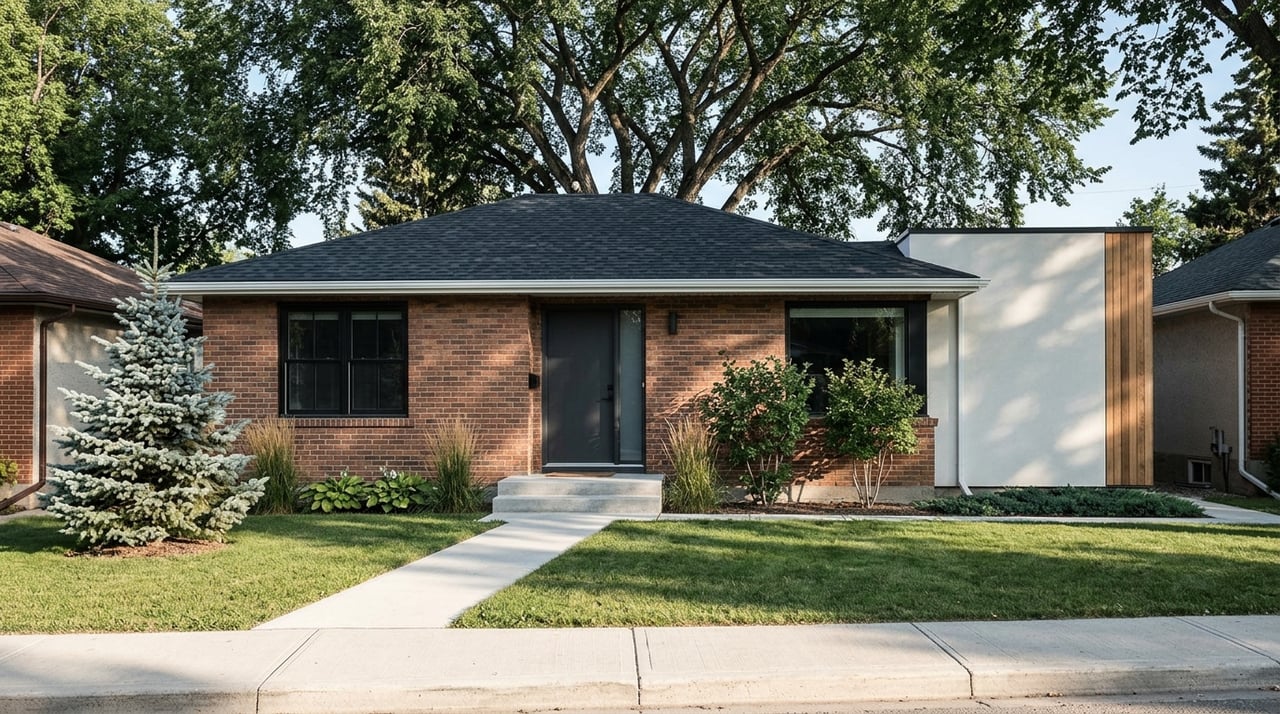
If you are drawn to neighbourhoods that feel established, connected, and visually layered, Elboya is easy to notice. This is a part of Calgary where older homes, updated properties, and newer construction can share the same street, all within reach of the river, parks, and short daily trips. If you are trying to understand how Elboya actually feels beyond a map pin, this guide will walk you through its architecture, streetscapes, and everyday rhythm. Let’s dive in.
Elboya at a Glance
Elboya is a close-in southeast Calgary neighbourhood with roots that go back to early annexation in the 1910s, though substantial development did not begin until around 1947. That timing matters because it helps explain why the area reads as a mature, postwar community rather than a master-planned newer district.
Its location is one of its defining strengths. The neighbourhood sits close to downtown and offers access to major commuter corridors, green space, the Elbow River, and Stanley Park. Elboya is also part of the area covered by the Chinook Communities Local Area Plan, which now guides redevelopment, mobility improvements, and infrastructure investment.
According to the City of Calgary community profile, Elboya has 1,835 residents in private households. The same profile shows a housing mix of 55% owner households and 45% renter households, which adds to the area’s layered, lived-in character.
Elboya Architecture and Housing Mix
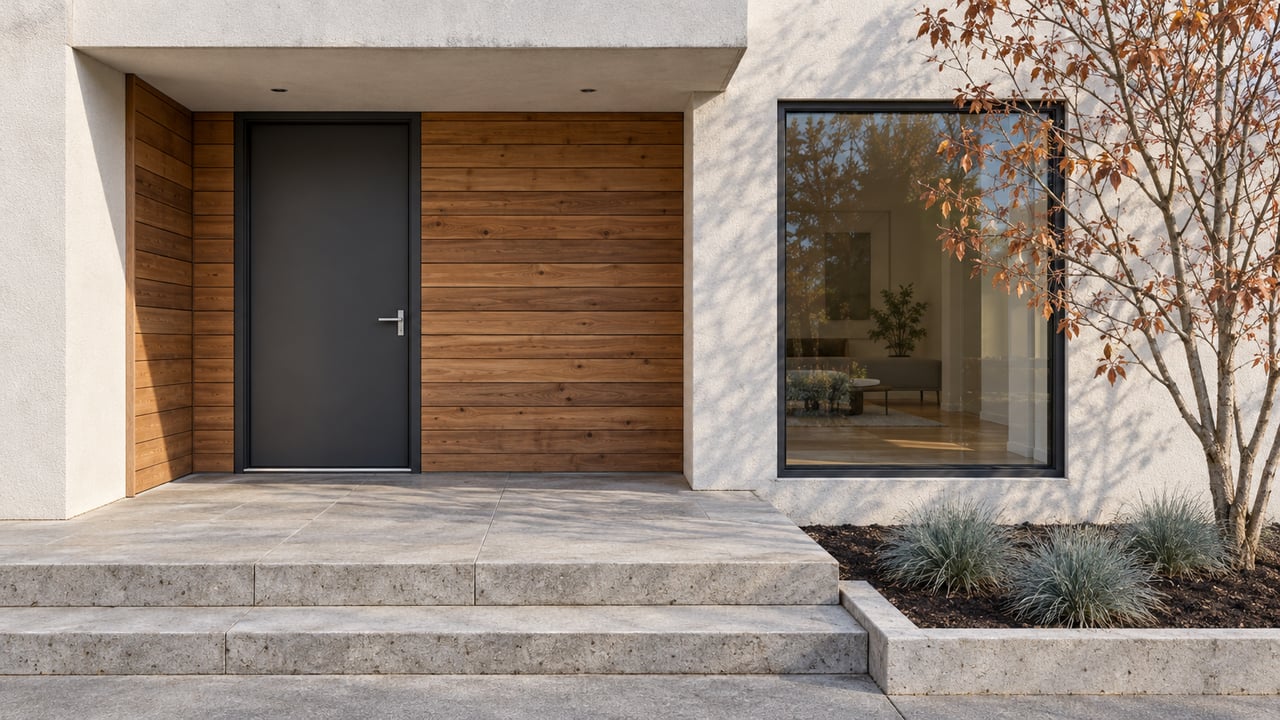
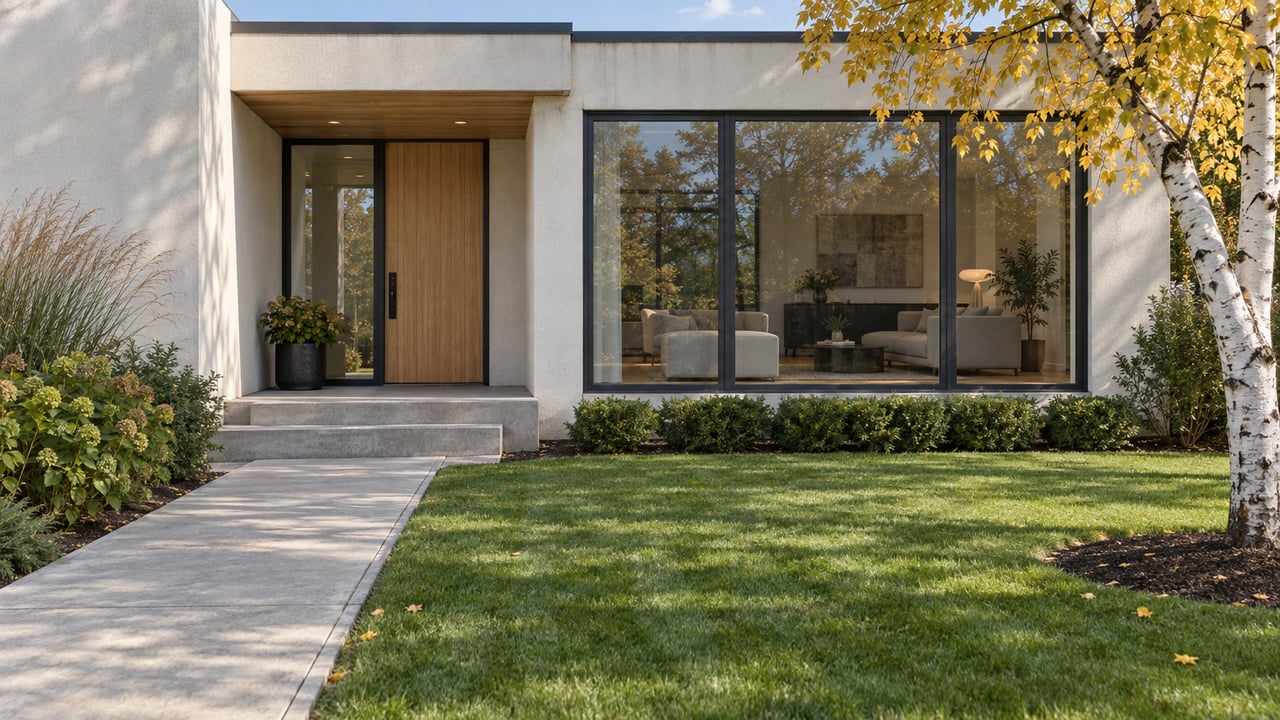
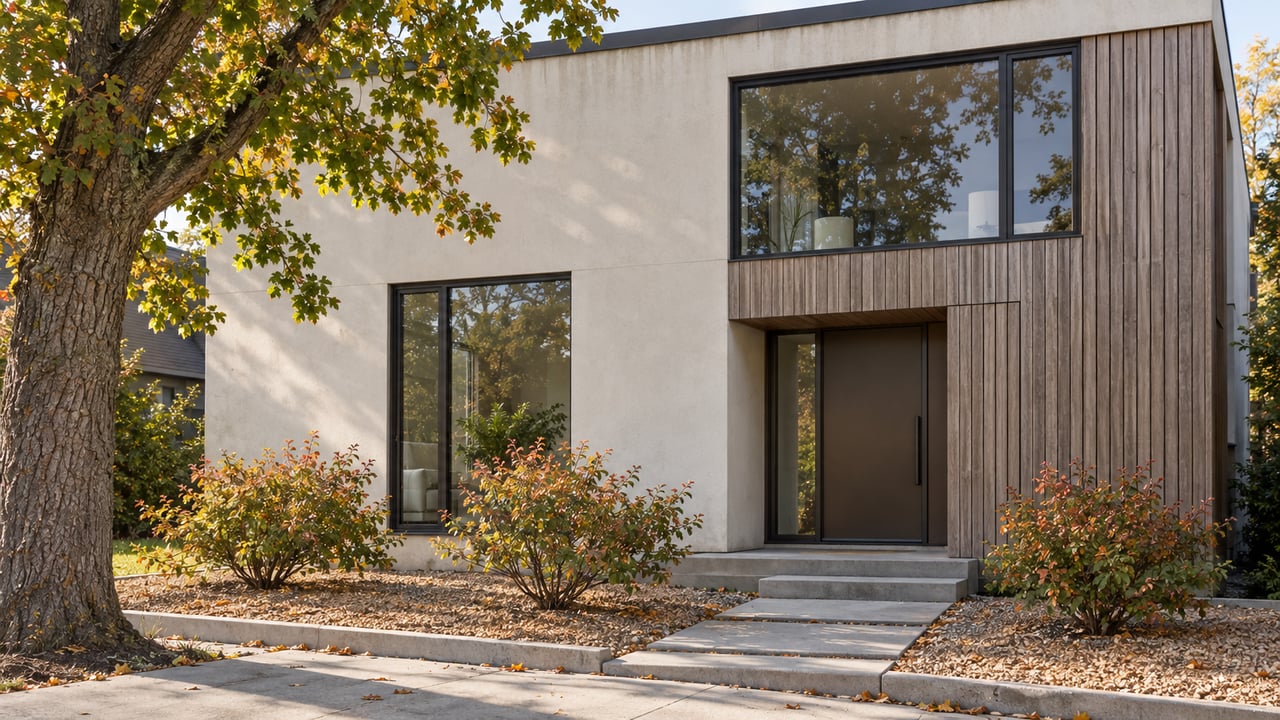
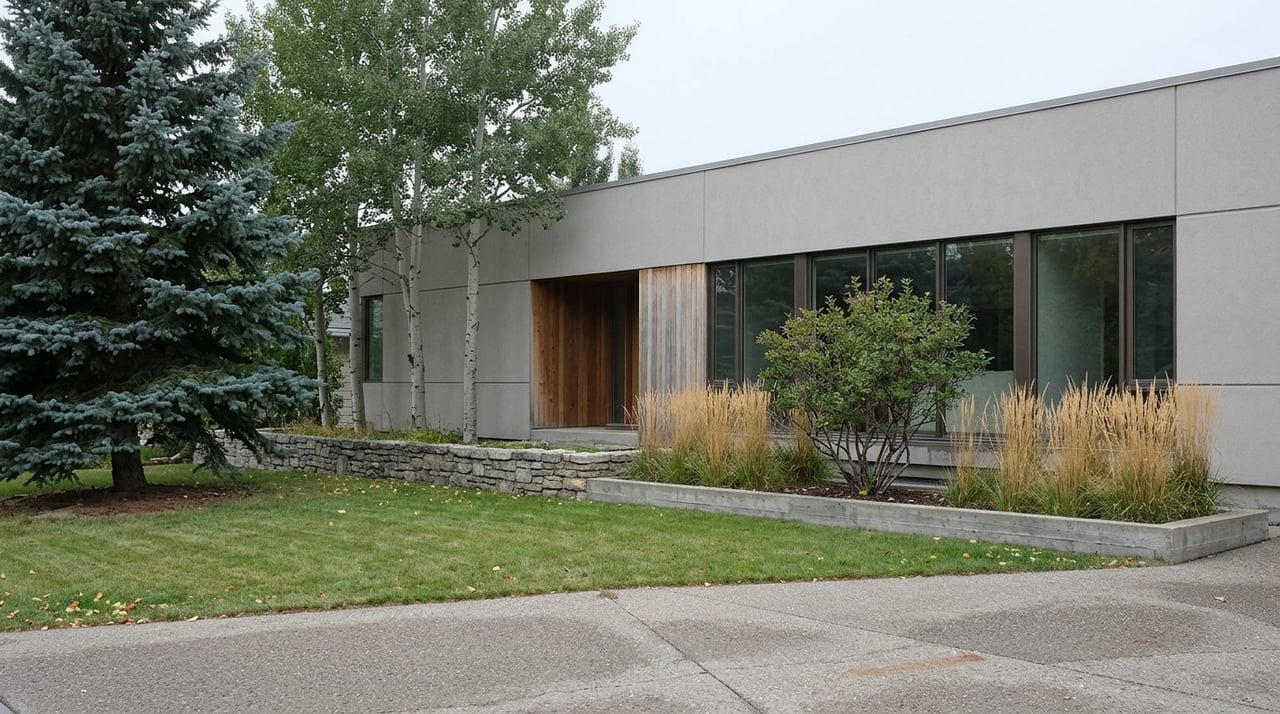
One of the most interesting things about Elboya is that its architecture is best understood as a mix rather than a single style. Public data do not label each home by design type, but they do show a neighbourhood with significant age diversity in its housing stock.
The City of Calgary reports that 44% of occupied dwellings were built in 1960 or earlier, while 5% were built between 2016 and 2021. Elboya is still primarily made up of single-detached homes, which account for 58% of occupied dwellings, with duplex and apartment forms adding variety.
That tells you something useful when you walk the streets. Elboya likely presents as a postwar detached-home neighbourhood where older houses, renovated homes, and newer infill or rebuilds can exist side by side. For buyers who care about architecture and streetscape, that kind of layering often creates visual interest block by block.
What the Streetscape Feels Like
Elboya’s streetscape is shaped by maturity, maintenance, and a quieter pace. The built environment appears well cared for, with 93% of occupied dwellings reported as needing only regular maintenance or minor repairs.
That level of upkeep matters because it affects how a neighbourhood feels day to day. You are not just looking at individual homes. You are taking in curb presence, continuity, and the sense that the area has been steadily cared for over time.
The housing stock also appears to function well for residents. In the city profile, 98% of households were classified as having suitable accommodation, which supports the impression of a neighbourhood that continues to meet a wide range of housing needs within its existing form.
River Access Shapes Daily Life
Elboya’s connection to the Elbow River corridor is one of its clearest lifestyle advantages. Calgary’s pathway system runs along the Bow and Elbow Rivers, and the City notes that local pathways connect residential areas to parks, schools, and other community destinations.
That connection is becoming even more relevant with the SW Neighbourhood Bikeway improvements. These pathway and bikeway upgrades are enhancing movement through the community and reinforcing Elboya’s appeal for people who value walkable and bike-friendly local routines.
In practical terms, river access changes how a neighbourhood works for you. It adds the option of a morning walk, an evening bike ride, or a quick outdoor reset without needing to drive across the city.
Stanley Park and Sandy Beach Nearby
Two nearby outdoor destinations help define Elboya’s everyday rhythm: Stanley Park and Sandy Beach. Both sit along the Elbow River in southwest Calgary and give residents multiple ways to use the area beyond the home itself.
Stanley Park includes pathways, picnic areas, fishing, canoe and raft access, an outdoor pool, playgrounds, tennis courts, and lawn bowling. Sandy Beach adds pathways, picnic sites, playgrounds, and canoe or raft access, creating another river-adjacent option close by.
These amenities contribute to a neighbourhood pattern that feels active without feeling rushed. The community association also notes a long-running public skating rink in Stanley Park during winter, which adds a seasonal layer to the area’s lifestyle.
Everyday Errands and Local Texture
A neighbourhood’s value is not only about homes and parks. It is also about what your regular week looks like. In Elboya, nearby Britannia Plaza adds a useful commercial layer with an independent, design-minded feel.
Tourism Calgary describes Britannia Plaza as a small eclectic shopping area at Elbow Drive and 49th Avenue SW with independent stores, including home, décor, book, grocery, and specialty retailers. For someone evaluating lifestyle, that means everyday errands can come with a bit more character and variety.
This does not make Elboya a dense urban retail district. Instead, it gives the neighbourhood a balanced rhythm where residential calm and nearby convenience can coexist.
Mobility and Commute Patterns
Elboya supports a routine built around short trips and flexible movement. The City of Calgary profile shows commuting is still mostly car-based, with 74% of employed residents driving to work.
At the same time, 8% of residents walk and 5% cycle to work, both above Calgary’s citywide walking and biking shares in that same profile. That combination suggests a neighbourhood where driving remains common, but active transportation is also a real part of daily life for some residents.
Commute times help round out the picture. The profile shows that 45% of employed residents commute in under 15 minutes, while 37% commute in 15 to 29 minutes. That points to a pattern of manageable travel times and more room in the day for local routines.
A Neighbourhood With Continuity
If you are looking for signs of long-term neighbourhood stability, Elboya stands out. The city profile reports that 88% of residents were non-movers in the previous year, and 58% had not moved in the previous five years.
Those numbers suggest continuity rather than constant turnover. For buyers and sellers alike, that often translates into a neighbourhood feel that is steady, familiar, and established.
It also helps explain why Elboya tends to be described in terms of rhythm rather than buzz. This is not a place defined by rapid churn. It is a place shaped by consistency, daily use, and incremental change.
How Planning May Influence Elboya
Elboya is part of the Chinook Communities Local Area Plan, approved on April 9, 2025. The City says this plan will guide redevelopment, mobility improvements, and infrastructure investment across the area.
For homeowners, buyers, and sellers, the key detail is that the plan’s urban-form and building-scale maps are intended to guide development that fits community character. That does not freeze the neighbourhood in time, but it does signal that future change is being considered within a broader framework.
In a neighbourhood like Elboya, that matters. It supports the idea that redevelopment can happen while still respecting the established streetscape that draws people to the area in the first place.
Who Elboya May Appeal To
Elboya may be especially compelling if you value established streets, detached homes, access to outdoor amenities, and a close-in location. The area offers a mature setting with a housing stock that reflects several generations of change rather than a single wave of development.
It may also appeal to buyers who notice architecture in everyday life. Because the neighbourhood includes older homes, renovated properties, and newer construction, you get a more layered visual experience than you would in a more uniform community.
For sellers, that same character can be part of the story. Buyers are often responding not only to a home, but also to the surrounding pattern of streets, parks, and daily convenience.
If you are considering a move in or around Calgary and want guidance that takes both design and lifestyle seriously, Kyle Dexter can help you evaluate how a neighbourhood like Elboya fits the way you want to live.
FAQs
What is Elboya Calgary known for?
- Elboya is known as a mature, river-adjacent Calgary neighbourhood with postwar housing, access to the Elbow River, nearby parks, and a close-in location near downtown.
What types of homes are in Elboya Calgary?
- City data show that Elboya is primarily single-detached housing, with 58% of occupied dwellings in that category, plus duplex and apartment forms that add more variety.
How old is the housing stock in Elboya Calgary?
- The City of Calgary reports that 44% of occupied dwellings in Elboya were built in 1960 or earlier, while 5% were built between 2016 and 2021.
What parks are near Elboya Calgary?
- Nearby outdoor destinations include Stanley Park and Sandy Beach, both along the Elbow River, with pathways, picnic areas, playgrounds, and river access.
Is Elboya Calgary good for commuting?
- Elboya appears well positioned for shorter trips, with 45% of employed residents commuting in under 15 minutes and 37% commuting in 15 to 29 minutes, according to the City of Calgary profile.
Is Elboya Calgary changing or staying the same?
- Elboya shows signs of stability, with high resident continuity, while the Chinook Communities Local Area Plan provides a framework for redevelopment and mobility improvements that fit community character.