In May 2026, two separate trackers published a market read on Britannia, the small riverside community tucked against the Elbow River in Calgary's City Centre. MyCalgary's monthly community report put the median sold price for that month at $1.8 million, based on a single closed sale. HonestDoor's own May report, covering a nearly identical window, put the average sale price for a Britannia house at $3.44 million.
Both numbers are correct. Neither is wrong. The gap between them, nearly $1.6 million, is not a data error. It is what happens when a neighborhood this small produces so few transactions that a single closing becomes the entire month's evidence.
If you're comparing Britannia to Elbow Park, Elboya, or Windsor Park while deciding where to put an offer, that gap matters more than the headline price itself. A median built on one sale isn't a market signal. It's a coin flip that happened to land somewhere specific.
The Math Behind the Wide Swings
HonestDoor's April 2026 report on Britannia noted that only one house sold that reporting period, and that the average sale price was down 40.6% from the month before, a swing the report itself flagged as a single data point rather than a trend. A month later, the same tracker reported average sale price up 16.3%, with only 10 house transactions recorded in Britannia across all of 2026 through May. MyCalgary's own count for the trailing twelve months landed at just 14 homes listed for sale in the community.
Zoom out further and the picture steadies, but only a little. Two-year sales data through mid-2026 puts 32 homes sold in Britannia, with a median of $2.00 million and a range stretching from $320,000 up to $5.00 million. That top end isn't hypothetical. Market coverage of Calgary's luxury tier through February 2026 pointed to a $4.45 million Britannia listing that closed at $4.8 million in a single day. Put a sale like that into a monthly count of one or two closings and the "average" for that period tells you almost nothing about what a typical buyer paid.
This is the part a portal listing won't show you: the count behind the number. Before comparing Britannia's median to any other community's, ask how many sales built it.
Britannia Is Small on Purpose
Part of why the sample stays this thin is geography, not timing. Britannia covers roughly 0.6 square kilometers, bounded by Britannia Drive to the north, 50th Avenue SW to the south, Elbow Drive to the east, and the Elbow River itself to the west. It borders Elbow Park and Elboya to the northeast and Windsor Park to the south. One tracker's assessment count put the total properties in the community at 241. That's the entire inventory, not a snapshot of what's currently listed.
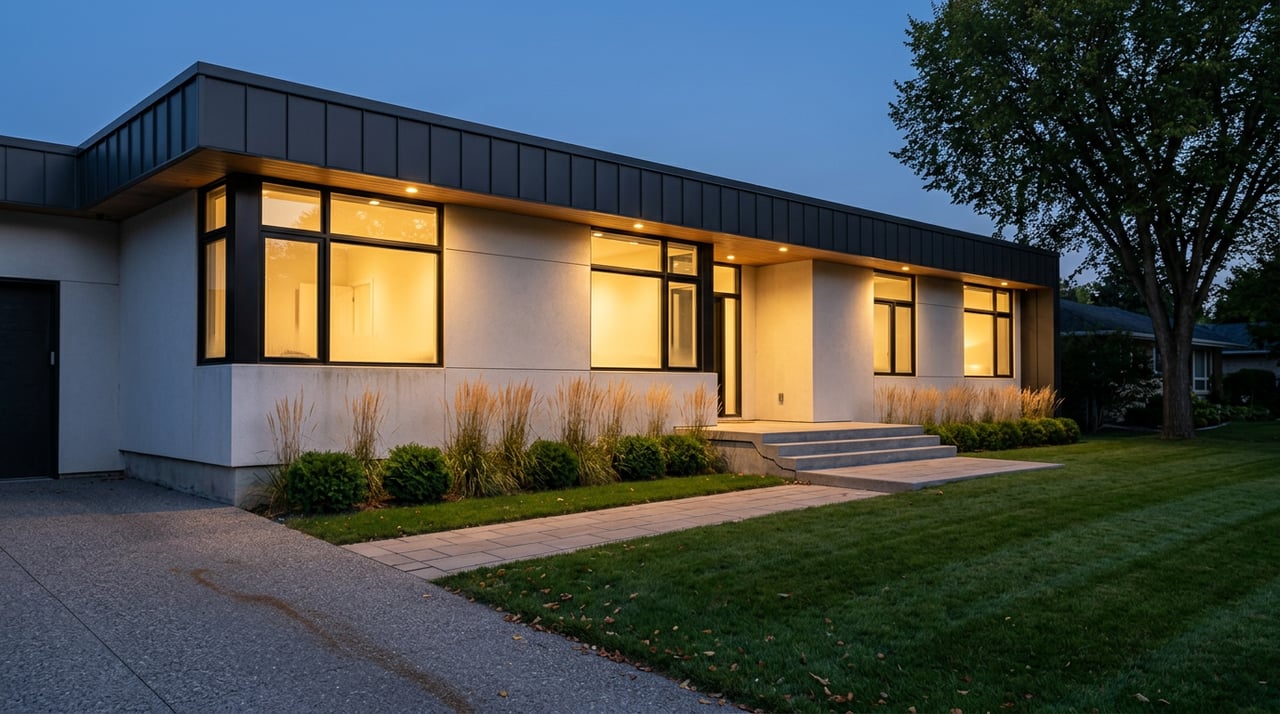
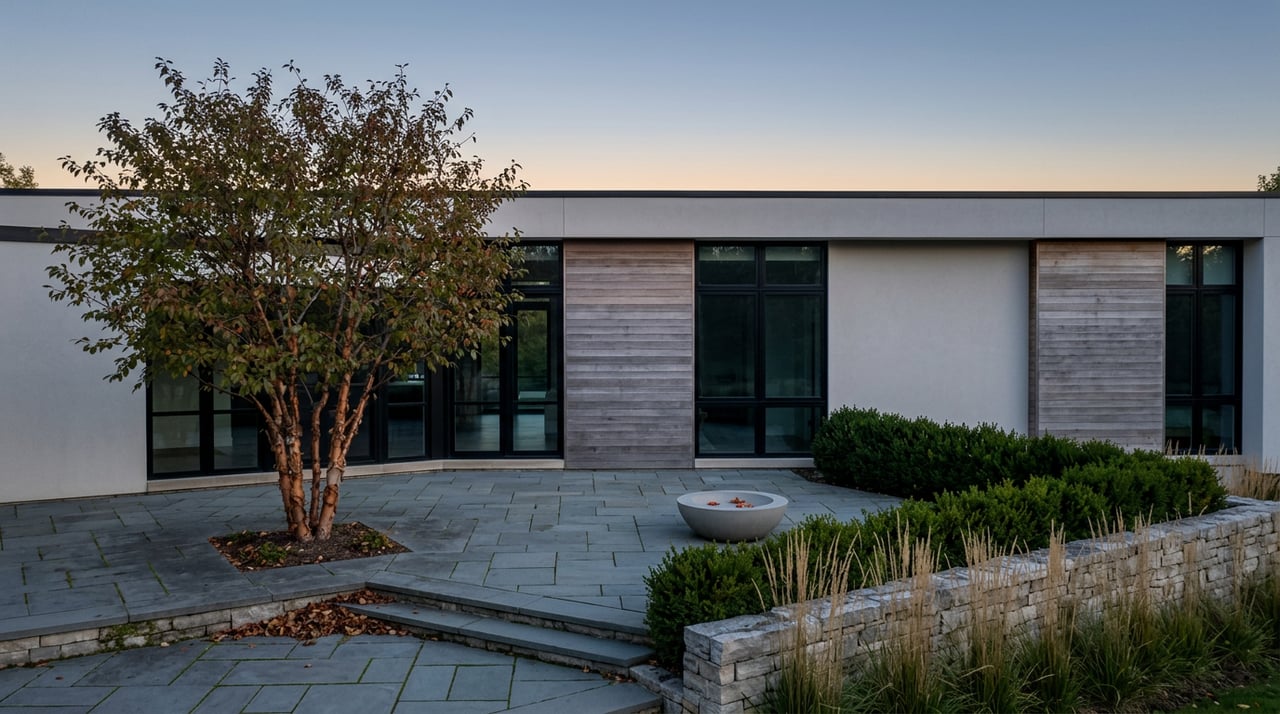
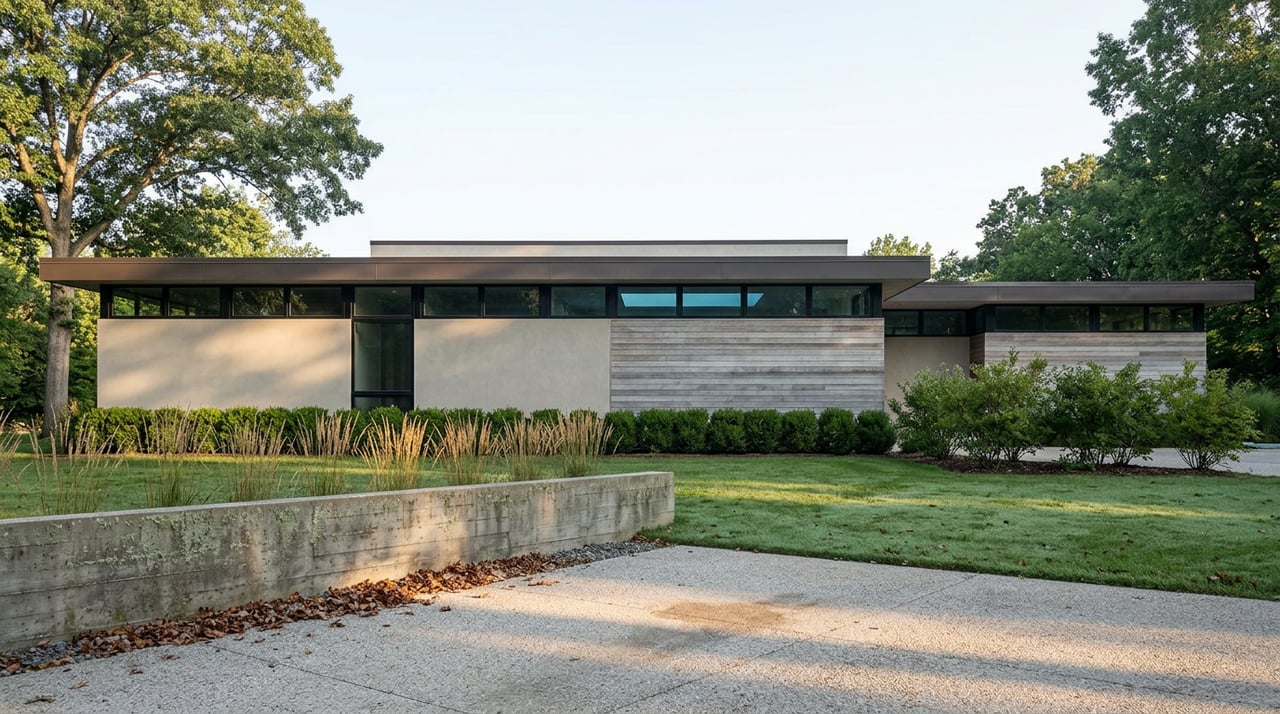
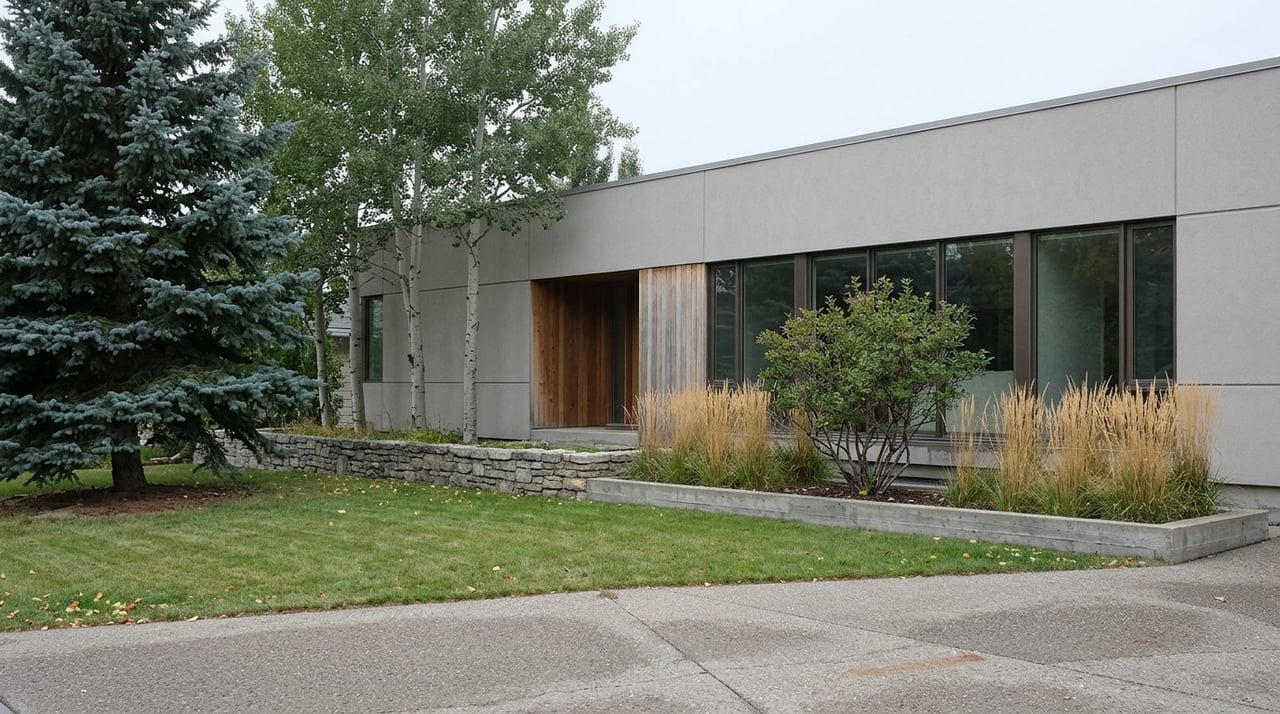
The neighborhood was platted in the early 1900s with an explicit high-end intent, though the streetscape most residents recognize today wasn't built out until the late 1950s, with wide lots and curving roads that still shape the housing stock. Many of the original mid-century homes remain. Others have been replaced by larger, custom-built estates, a pattern that has continued gradually for decades rather than in a single building boom.
Daily life in Britannia runs through Britannia Plaza at Elbow Drive and 49th Avenue SW, where Sunterra Market handles groceries, Native Tongues Taqueria and Britannia Wine Merchants cover dinner and drinks, and Prado Coffee, the Vancouver cafe chain, opened its first Calgary location there in August 2026 in the space that had been a Starbucks. It's a small plaza serving a small, land-locked community, and that scale is precisely why so few homes trade hands in a given year.
What the Median Actually Buys, Compared to Its Neighbors
| Community | Algorithmic Home Value Estimate | As Of |
|---|---|---|
| Britannia | $2,702,094 | May 2026 |
| Elbow Park | $2,159,543 | April 2026 |
| Elboya | $1,586,765 | April 2026 |
| Windsor Park | $943,119 | April 2026 |
These figures come from one data provider's automated valuation model, not from appraisals, so treat them as a rough ranking rather than a price you'd write into an offer. Read that way, the ranking is informative: one industry report placed Britannia's house prices at rank 2 out of 220 Calgary neighborhoods, ahead of both Elbow Park and Elboya, its closest geographic peers.
What separates Britannia from those neighbors isn't primarily square footage or finishes. It's land. A 50-foot lot on a curving Britannia street, close to the Elbow River pathway system, carries a scarcity premium that a similarly sized home in a larger, less land-constrained community won't. Buyers moving from a portal search to an actual offer often discover that the difference between Britannia and Elbow Park isn't the house at all. It's the number of comparable lots that exist to bid against.
The Zoning Question Britannia Buyers Ask
Anyone shopping older, character-filled Calgary neighborhoods this year has likely heard about the city's rezoning reversal. Calgary approved a citywide "blanket rezoning" in 2024 that automatically converted most low-density residential zones to R-CG, opening the door to rowhouses and fourplexes on lots that had previously allowed only one or two homes. City Council voted in April 2026 to repeal that policy, and the change took effect on August 4, 2026, reverting most properties back to their pre-2024 zoning, R-C1 or R-C2 in the majority of cases, unless a property already had an active permit or an individually approved rezoning in place.
In neighborhoods like Altadore or Killarney-Glengarry, that two-year window mattered. Older bungalows on generous lots there became common teardown targets for builders assembling legal fourplexes, and the zoning reversal changes the math on future projects in those areas.
Britannia never really played that game. Its housing landscape description, even during the years R-CG was the base zoning citywide, still reads the same way it always has: mid-century originals standing next to custom-built luxury estates, not multi-unit infill. The land economics here rewarded consolidation into one larger, higher-value home rather than subdivision into several units, which is a function of Britannia's price ceiling and its buyer pool more than the zoning code sitting behind it. For a buyer wondering whether the street they're considering might see a fourplex go up next door, the honest local answer is that Britannia's pattern was already set before the rezoning arrived, and the August 2026 reversal mostly confirms what the market here had already decided on its own.
Reading the Signal, Not the Headline
If a single sale can swing the median by seven figures, what should a buyer or seller actually watch? Two things worth more attention than the headline average.
First, the gap between city assessment and current market read. One May 2026 report put Britannia's average assessed value at $2,540,772 against an average current estimate of $2,702,094, a gap of roughly $161,000. City assessments are calculated once a year using data that's already months old by the time it reaches a mailbox, so relying on assessment alone to gauge what a Britannia home is worth today will consistently understate a fast-moving spring market and overstate a slower one.
Second, how long homes are actually sitting. The April 2026 report noted buyers taking around 52 days to decide, while the very next month's report showed houses moving in 31 days on average. That swing, inside a single month, is the same thin-market effect showing up in timing rather than price. A slow month doesn't mean the market cooled. It might mean the one or two active buyers that period were simply more deliberate.
Neither number replaces a conversation about your specific property, your specific lot, and what's actually trading nearby right now. In a market this small, that conversation matters more than it would almost anywhere else in the city.
A Few Questions Britannia Buyers Ask
Does Britannia's city assessment reflect what my home would sell for? Not reliably. Assessments are set annually using data that lags the current market, and recent reporting has shown a gap of over $150,000 between assessed value and more current market estimates for Britannia homes. Treat the assessment as a starting reference point, not a valuation.
Will Britannia see more fourplexes now that the rezoning has been repealed? Based on how the neighborhood behaved even during the two years R-CG was the default citywide zoning, unlikely. Britannia's redevelopment pattern has consistently been older homes replaced by larger single custom estates rather than multi-unit builds, a pattern shaped by land value and buyer demand rather than by the zoning code alone.
Britannia rewards buyers and sellers who look past the headline number and understand what's actually driving it, and that's exactly the kind of read Dexter and Co works through with clients before a single showing happens. If you're weighing Britannia against Elbow Park, Elboya, or another City Centre community, request a private valuation and get a number built on your property, not on last month's single sale.