If you want a Calgary neighborhood where weekend plans can start on a river pathway and end with coffee or dinner on a local main street, Bowness deserves a closer look. This is a community with deep roots, a strong outdoor identity, and a housing mix that reflects both its history and its steady evolution. If you are weighing lifestyle, home style, and long-term potential, Bowness offers a lot to think about. Let’s dive in.
Why Bowness Feels Distinct
Bowness stands out because it blends natural amenities with an active, local-serving commercial corridor. You are not choosing between park access and daily convenience here. In many parts of the community, those two things work together.
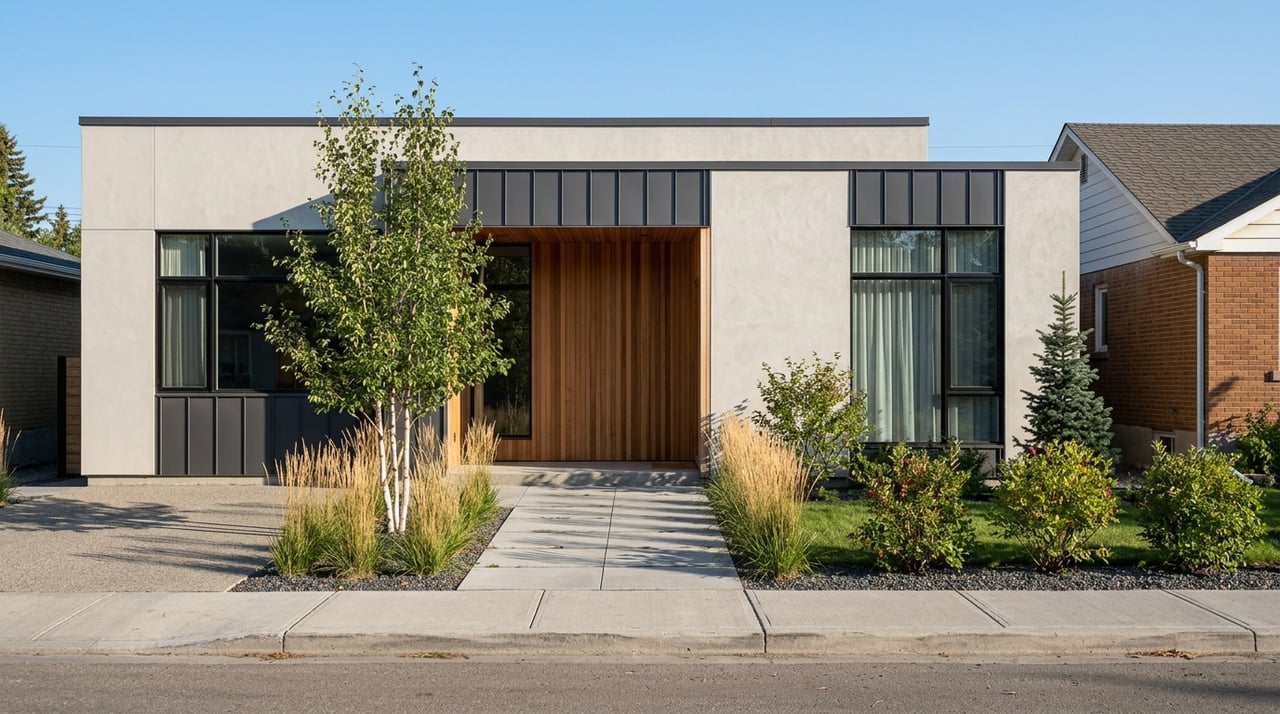
It is also a neighborhood in transition. City planning materials describe Bowness as a well-established, bungalow-heavy area, while also identifying opportunities for townhomes, low- to mid-rise residential development, and low- to medium-density apartments on underused land. That mix helps explain why Bowness can feel both familiar and newly energized at the same time.
River Access Shapes Daily Life
The Bow River is a defining part of living in Bowness. It gives the neighborhood a strong recreational identity and adds a scenic backdrop to everyday routines, whether you are heading out for a walk, a bike ride, or time outdoors with family and friends.
Bowness Park is one of the community’s best-known gathering places. Located along the Bow River between Stoney Trail and 85 Street NW, it includes a lagoon, paddle boating, winter skating, a wading pool, boat rentals, a mini-train, and picnic areas. For many buyers, that kind of amenity is not just nice to have. It becomes part of how you spend your weekends and host out-of-town guests.
Bowmont Park expands that outdoor story in a different way. The park covers 164 hectares and includes hiking trails, picnic tables, off-leash areas, playfields, mature riverine forest, and habitat restoration areas. If you value a more natural landscape feel within the city, Bowmont Park adds real depth to Bowness’s appeal.
Pathways Add Everyday Convenience
Bowness also benefits from Calgary’s larger pathway system. The city says the regional network includes about 1,000 km of pathways and 96 km of trails, with major connections along the Bow and Elbow rivers. In practical terms, that means your outdoor access does not stop at the neighborhood edge.
For buyers who prioritize movement, scenery, and quality of life, this matters. A connected pathway system can shape your daily routine in subtle but meaningful ways, from morning runs to evening walks to longer weekend rides. In Bowness, that connectivity is part of the lifestyle package.
Mainstreet Bowness Brings Local Energy
Outdoor access is only part of the story. Bowness also has a clear commercial heart along Bowness Road NW between 62nd and 65th Streets, where the Mainstreet Bowness BIA represents more than 60 businesses.
That stretch offers a mix of restaurants, coffee shops, specialty services, and local shops, along with free angled parking. Just as important, it creates a more walkable and local-oriented feel than a typical strip-commercial corridor. If you like neighborhoods with a sense of rhythm and local identity, this main street adds a lot.
Recurring events help reinforce that energy. The BIA highlights gatherings such as the Tour de Bowness Street Festival, the Bowness Auto Car Show, and Halloween on Mainstreet. These events contribute to the sense that Bowness is not simply a place to live, but a place where local activity is visible and ongoing.
Redevelopment Is Part of the Story
Bowness is changing, and city policy supports that evolution. Through Calgary’s Main Streets program, Council-approved land use changes in 2019 were intended to support a more vibrant public realm, a greater variety of retail and small-business space, more local services, and more housing choices.
The city also notes that these changes could create more flexibility for mixed use and row- or townhouse forms along the main street. For a buyer or property owner, that is important context. It suggests that parts of Bowness Road are expected to continue evolving over time rather than staying frozen in place.
This does not mean the entire neighborhood is being remade at once. The better way to understand Bowness is as a community being incrementally modernized, not replaced wholesale. That distinction matters if you are looking for a blend of established character and future upside.
What the Housing Mix Looks Like
Bowness has a more varied housing profile than many buyers expect. According to the 2021 community profile, the neighborhood had 10,770 residents in private households. The same profile shows a balanced age range, with 15% of residents aged 0 to 14 and 15% aged 65 and over.
Housing types are also diverse. The profile reports that Bowness is made up of 42% single-detached homes, 14% semi-detached homes, 9% row houses, 26% apartments in buildings under five storeys, and 3% apartments in buildings over five storeys.
That variety gives you more than one path into the neighborhood. Depending on your goals, you may find older detached homes, renovated character properties, attached infill, row-style housing, or lower-profile multi-family options within the same community footprint.
Infill Pressure Is Real
If you spend time in Bowness, you will notice that redevelopment activity is part of the local landscape. City planning materials for the R.B. Bennett site describe opportunities for low- to mid-rise residential development and note that the neighborhood population is projected to grow by 10% by 2030.
That projected growth helps explain why infill pressure remains visible. Builders, buyers, and property owners are all responding to a community that offers strong lifestyle amenities, an established location in Calgary’s northwest, and room for housing diversification.
For some buyers, this is a positive. It can mean access to newer construction, modernized housing forms, and a neighborhood that continues to attract investment. For others, it is worth weighing the trade-offs, including localized construction activity and changing streetscapes in some pockets.
What Buyers Should Weigh Carefully
Bowness offers a compelling mix of lifestyle and housing choice, but it is smartest to approach the neighborhood with clear eyes. Because much of the housing stock is older, maintenance and condition can vary meaningfully from one property to the next.
The 2021 community profile notes that 7% of occupied dwellings needed major repairs. That does not define every home, of course, but it does reinforce the need for careful property-level due diligence, especially if you are comparing older houses with renovated or newly built options.
Affordability pressures are also part of the picture. The profile reports a median total household income before tax of $72,000 in 2020, while 20% of owner households and 38% of renter households spent 30% or more of income on shelter. Median monthly shelter costs were reported at $1,550 for owners and $1,150 for renters.
These figures point to a mixed-income neighborhood rather than a uniform one. That can be part of Bowness’s appeal, especially if you value a community with varied housing forms and price points. It also means buyers should look closely at block-by-block context and the specific condition, design, and positioning of each property.
Practical Lifestyle Trade-Offs
No neighborhood is all upside, and Bowness is no exception. Popular amenities bring activity, especially during peak park seasons and major event periods.
Bowness Park specifically notes limited parking. If you plan to use the park often or host visitors there, that is a practical consideration worth keeping in mind. The same demand that makes the area attractive can also create busier conditions at popular times.
Still, for many buyers, that is a manageable trade-off. When a neighborhood offers river access, major park space, a connected pathway network, a local main street, and a broad housing mix, some seasonal congestion is often part of the equation.
Who Bowness May Suit Best
Bowness can make sense for several kinds of buyers. You may be drawn to it if you want outdoor access woven into daily life, if you appreciate older neighborhoods with visible change underway, or if you are looking for more housing variety within an established Calgary community.
It can also appeal if you like a neighborhood with both character and momentum. The combination of mature homes, ongoing infill, main-street activity, and city-supported redevelopment creates a layered feel that is different from more uniform suburban districts.
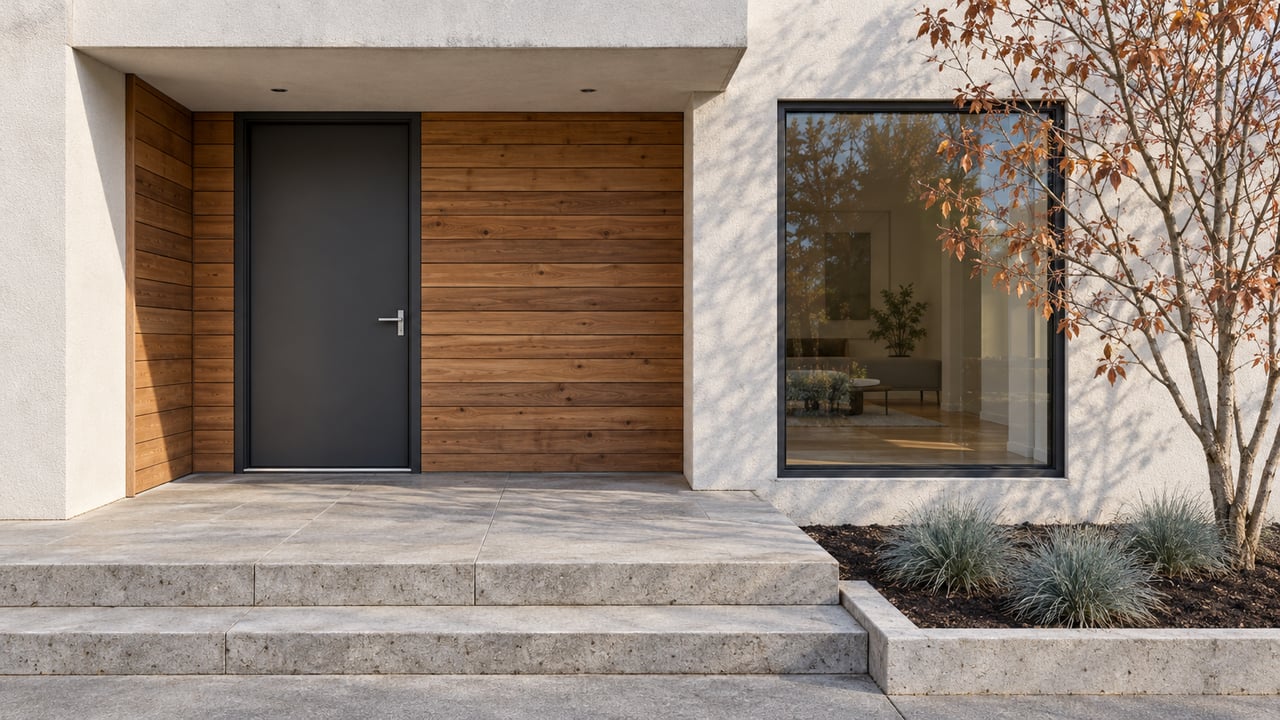
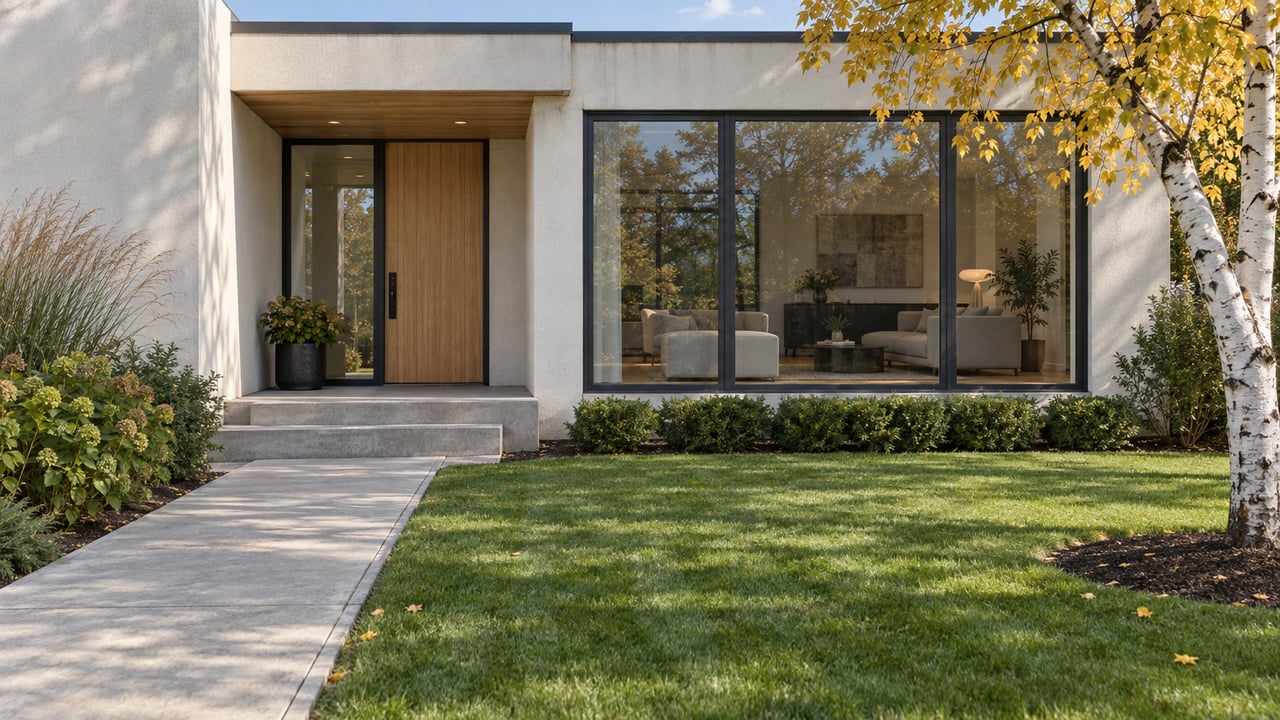
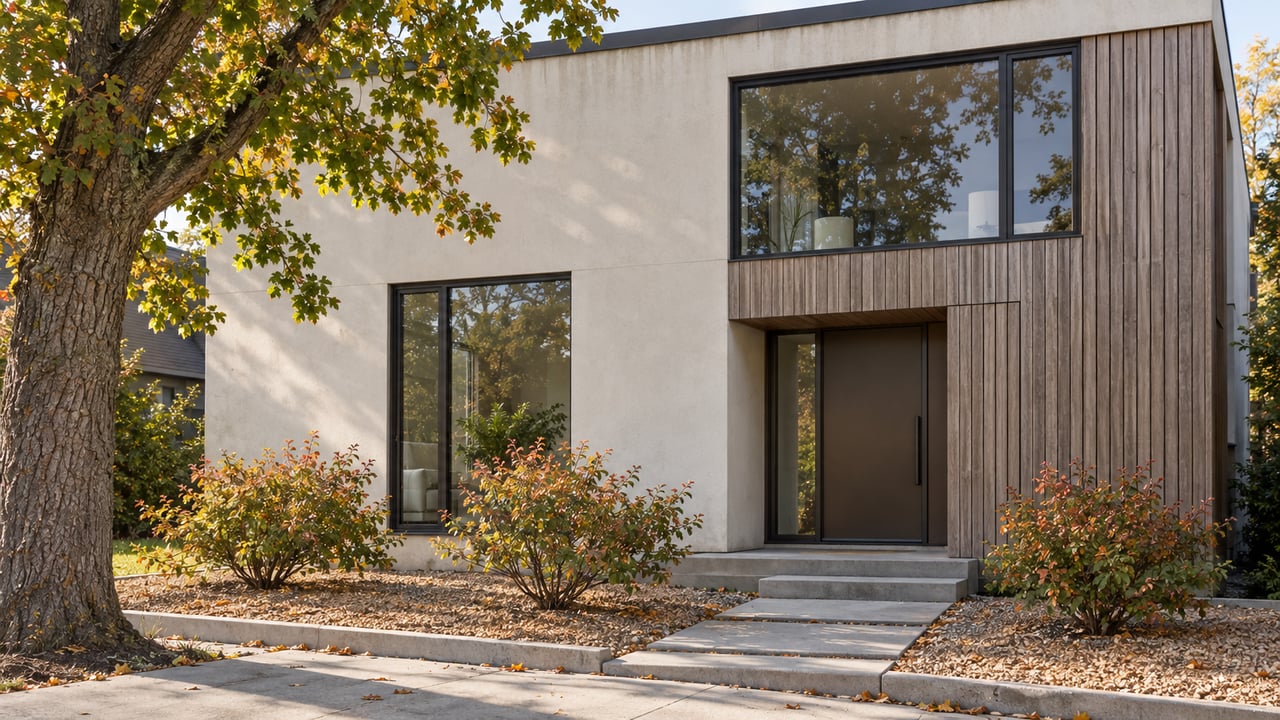
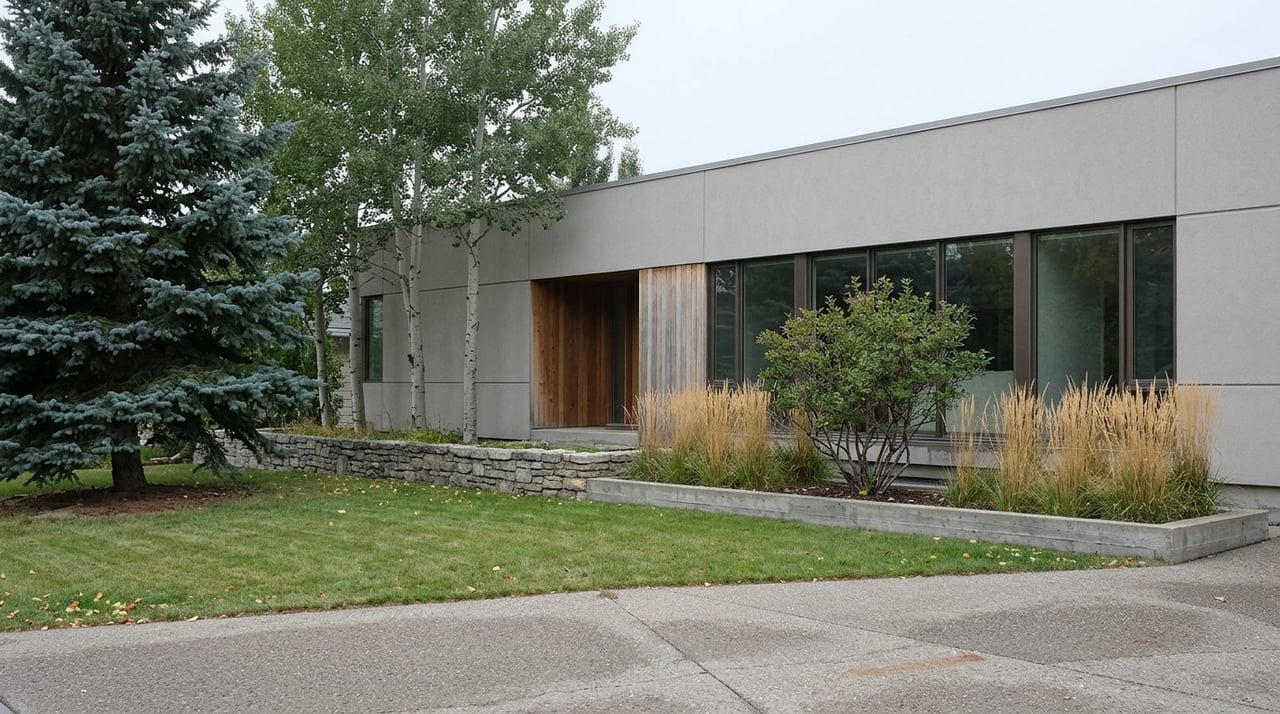
From a design and lifestyle perspective, Bowness is especially interesting because it gives you contrast. You can find long-standing bungalow streets, natural river landscapes, modest multi-family buildings, and newer infill forms within one neighborhood. For buyers who value texture over sameness, that can be a real advantage.
Final Thoughts on Living in Bowness
Bowness is not a one-note community. Its identity comes from the Bow River, major parks, and pathway access, but also from a local business district and a housing stock that continues to evolve. That balance is what gives the neighborhood its energy.
If you are considering a move here, it helps to think beyond a simple checklist. The real question is whether you want a community where nature, local commerce, and gradual redevelopment all shape the experience of living there. If that combination fits how you want to live, Bowness is well worth exploring in detail.
If you are thinking about buying or selling in Bowness and want thoughtful, design-aware guidance on where the neighborhood is heading, connect with Kyle Dexter for a private conversation.
FAQs
What is Bowness known for in Calgary?
- Bowness is known for its Bow River setting, Bowness Park, Bowmont Park, pathway access, and an active local commercial area along Bowness Road NW.
What kinds of homes are in Bowness?
- Bowness includes single-detached homes, semi-detached homes, row houses, and apartments, with a mix of older properties, renovated homes, attached infill, and lower-profile multi-family options.
Is Bowness a walkable neighborhood?
- Bowness offers a more walkable feel around Mainstreet Bowness, where more than 60 businesses, local services, restaurants, and shops are concentrated along Bowness Road NW.
Is Bowness seeing redevelopment?
- Yes. City materials describe Bowness as a neighborhood with ongoing redevelopment potential, including flexibility for mixed use, townhouses, and low- to mid-rise residential forms in some areas.
What should buyers watch for in Bowness homes?
- Buyers should pay attention to property condition, renovation quality, and localized construction activity, since Bowness includes older housing stock alongside newer redevelopment.
How big is the Bowness pathway and park lifestyle?
- It is a major part of daily life for many residents, with access to Bowness Park, the 164-hectare Bowmont Park, and Calgary’s broader regional pathway network along the river corridors.