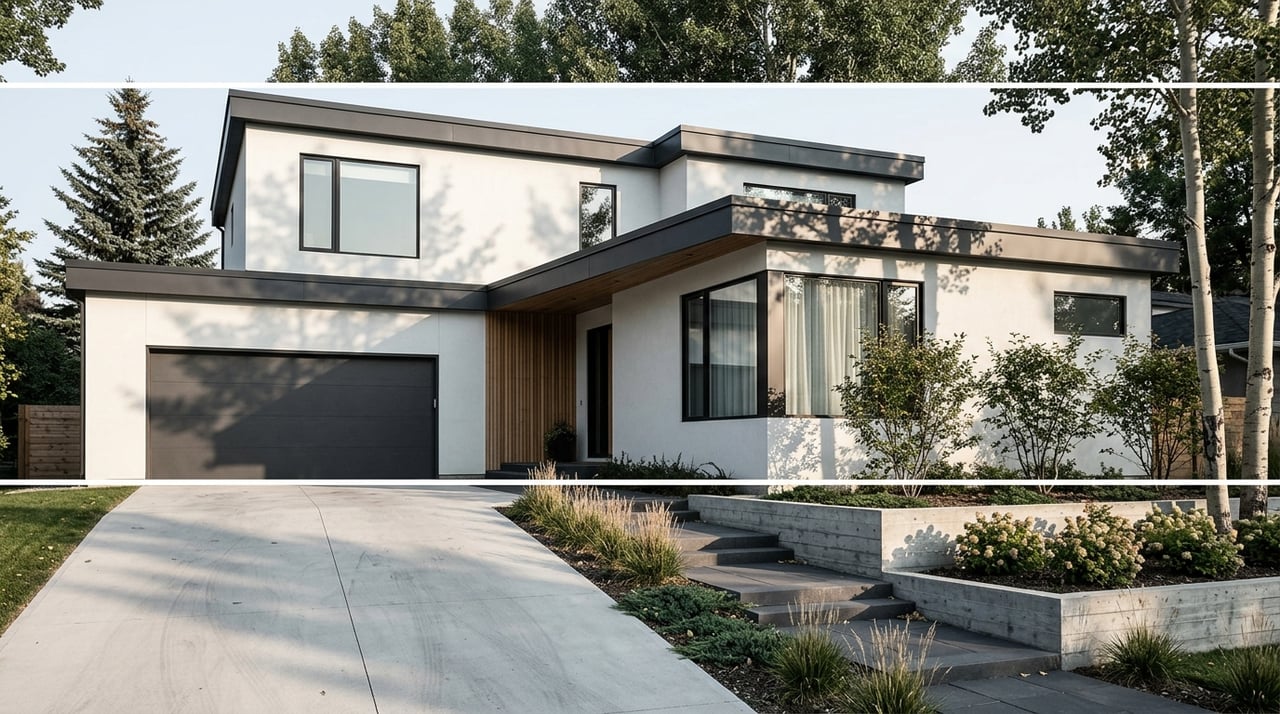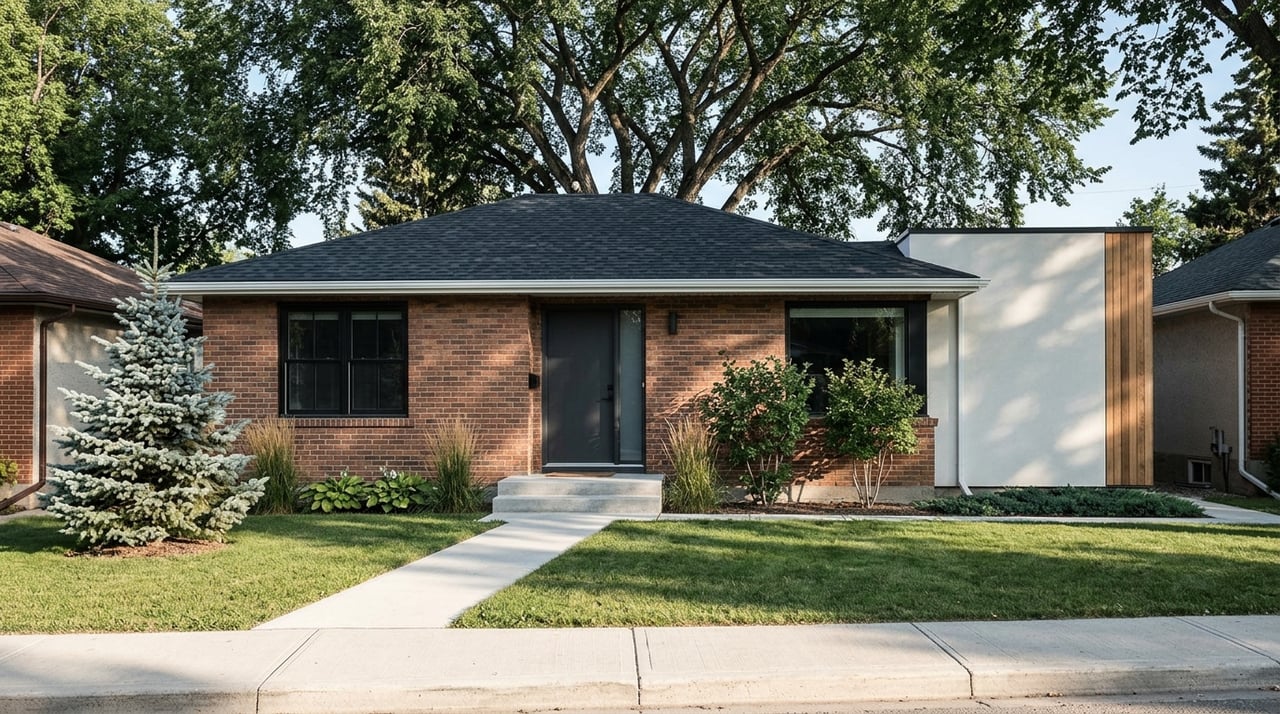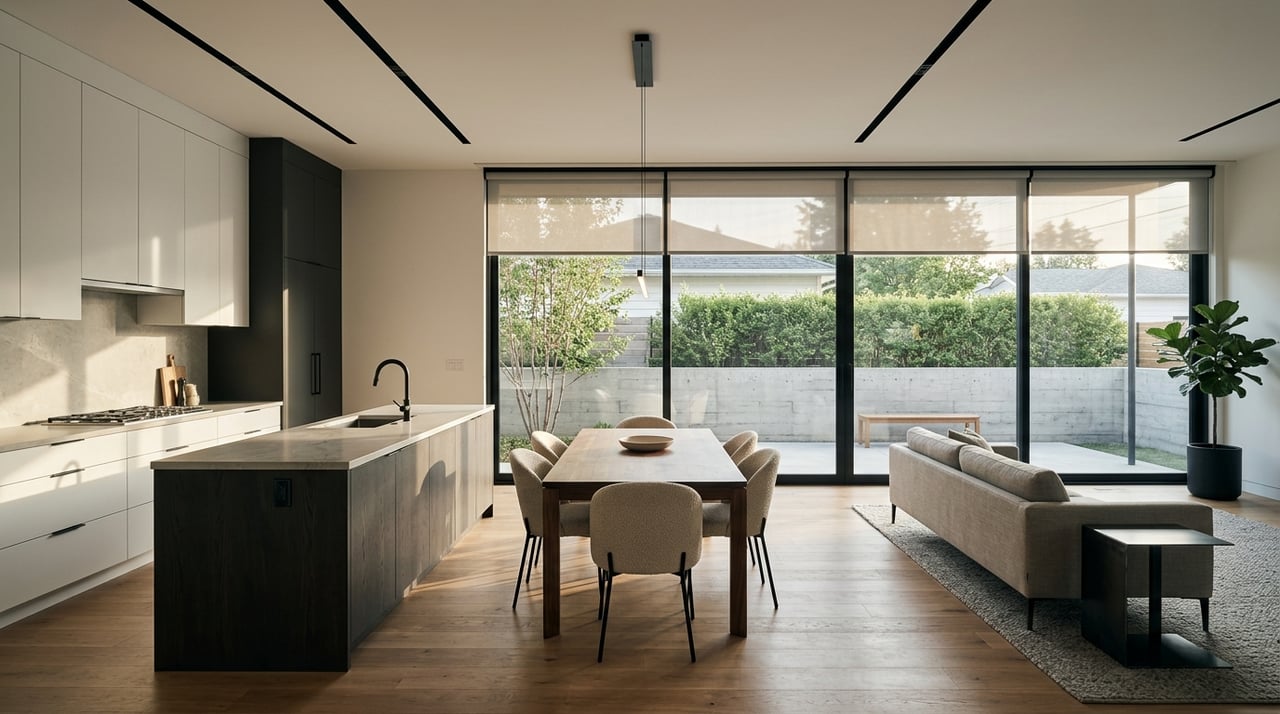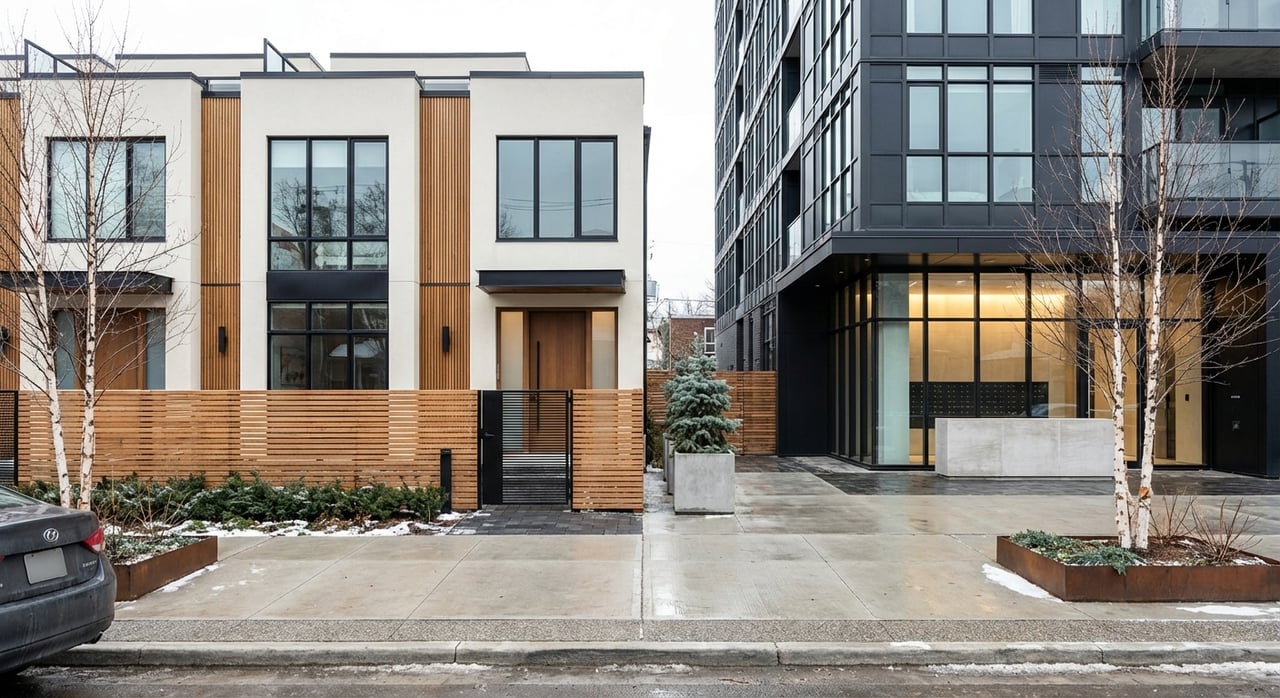
If you are deciding between a luxury condo or a townhome in downtown Calgary, you are not alone. You want the right mix of privacy, convenience and long‑term value, especially if your time is limited and your lifestyle is on the move. In a market with more choice than a few years ago, the best decision comes from matching your daily routine and financial goals to the right property type, not just the right address. This guide walks you through the key differences, current market context, and a clear checklist to help you buy with confidence. Let’s dive in.
Market snapshot: downtown Calgary now
Downtown Calgary includes Eau Claire, the Beltline, Downtown West End, East Village and the Commercial Core. In 2025, Calgary’s apartment segment shifted toward more balanced conditions as inventory improved, while townhouse benchmarks remained higher than apartment benchmarks citywide. You can see this split in the Calgary Residential Activity stats, which provide a useful frame for price and supply trends.
A local downtown snapshot on Aug 23, 2025 reported an average condo sold price of about 383,000 dollars, days on market near 47 and months of inventory around 4.8. Source: Downtown Calgary Condo Market Update, Aug 23, 2025. Those figures are consistent with a shift from a tight seller’s market toward more balanced conditions. Practically, that means you have more options and leverage on presentation, timing and negotiation than you did during the 2020 to 2022 run‑up. Building class and amenities now play a bigger role in pricing and speed of sale than broad citywide momentum.
At the same time, the downtown office market remains a factor. Reports in the mid‑2020s commonly referenced elevated downtown office vacancy, and the City is actively repurposing older office towers into housing through its Downtown Calgary Development Incentive Program. This pipeline will add more homes downtown over the next few years, which can influence resale dynamics by submarket and building type.
Condos vs townhomes: what really changes for you
Ownership and legal structure
- Luxury condo towers: You own a titled unit within a condominium corporation and share responsibility for common elements through monthly fees. Alberta requires reserve‑fund planning and disclosure, so you should request the reserve‑fund study and financials before you offer. Learn more on Alberta’s condominium information page.
- Downtown townhomes and lofts: Many inner‑city townhomes are also part of a condo corporation, though some fee‑simple or bare‑land formats exist. Always confirm the ownership model on the listing because what you own, and what the corporation covers, changes your monthly costs and responsibilities.
Privacy, layout and daily living
- Townhomes: Expect private ground‑level entrances, multi‑level living and more separation between public and private space. Many offer patios or small yards, which can be ideal if you value direct outdoor access or have pets.
- Condos: High‑rise living centralizes access through elevators and lobbies, sometimes with concierge oversight. Privacy varies by building design, floor plan and elevator count. Typical apartments offer balconies, while penthouses can include large terraces.
Amenities and the lock‑and‑leave lifestyle
- Condos: Luxury towers tend to win on amenity depth. Common features include concierge, 24/7 security, guest suites, fitness and pool facilities, owners’ lounges, package rooms and bike storage. If you travel often or prefer services that streamline daily life, a high‑end tower often delivers the easiest lock‑and‑leave experience.
- Townhomes: Amenity packages are typically lighter and may not include front‑desk services. You often trade full‑service convenience for the benefits of a private entrance, larger interior volumes on multiple levels and more personal outdoor space.
Monthly costs and condo fees
Calgary condo fees vary by building, what utilities are included and the level of services. Published guidance for Calgary shows many buildings in a general range when expressed per square foot, while amenity‑heavy towers can be higher, particularly for larger suites. What matters most for you is not just the amount but what the fee includes and how well the reserve fund is capitalized.
What fees often cover: common‑area maintenance, building insurance for shared elements, snow removal, grounds, building staff and management, professional services and reserve‑fund contributions. Utilities like heat or water may also be included. Review the detailed budget and compare apples to apples. For an overview of typical fee categories, see this primer on monthly maintenance fees.
Reserve‑fund health: Strong reserves support building longevity and help avoid large special levies. Alberta requires reserve‑fund studies and planning; you can read more about how reserve funds work at CondoLawAlberta.
Parking and vehicle access
Downtown parking varies widely. Your options may include:
- Titled underground stalls included with the unit
- Optional titled or assigned stalls for purchase
- Monthly leased stalls in nearby parkades
Public monthly parking rates in the core range across facilities and locations. A quick scan of Impark’s Calgary listings shows examples from the low hundreds to several hundreds of dollars per month. If you drive daily, confirm what is included in the sale, proximity to your elevator core, EV charging availability and any waitlists.
Security, insurance and liability
In a condominium, the corporation insures common property and structure, while you insure your interiors and contents. You should also confirm your exposure to deductibles or loss assessments. Always request the master insurance summary and deductible amounts. Alberta’s guidance on condo ownership and insurance is available through the provincial resource hub.
Resale potential and risk: what to weigh
Price benchmarks and buyer pools
Citywide, townhouses typically sell at higher benchmarks than apartment‑style units. That reflects the appeal of ground‑oriented living, garage potential and a broader buyer pool. Condos often attract professionals, relocators, downsizers and investors, while townhomes may draw more owner‑occupiers seeking space and privacy. You can track broader trends in the CREA statistics portal.
Building health and governance
Resale strength often comes down to the building’s financial and physical condition. Red flags include underfunded reserves, unclear fee increases, deferred maintenance, active litigation and unpredictable special assessments. High fees can be sensible if they fund robust services and a healthy reserve, but high fees without transparency deter buyers. Before you write an offer, review the audited financials, the most recent reserve‑fund study and the last 12 to 24 months of meeting minutes. For reserve‑fund basics and who can prepare studies in Alberta, visit CondoLawAlberta’s reserve‑fund guide.
Supply trends and conversions
The City’s office‑to‑residential incentive is adding thousands of downtown homes over the medium term. This will likely moderate price growth in corridors with significant new supply while improving overall vibrancy. For resale strategy, separate three layers:
- Building level: quality of construction, management and financial health
- Neighbourhood level: the pipeline of conversions and new builds nearby
- Macro level: the evolving downtown office market
You can follow the conversion program’s progress through the City of Calgary’s program page.
Due‑diligence checklist before you offer
Use this list to speed up your decision and negotiate from a position of strength:
- Condominium financials and minutes: Request the most recent budget, audited financials and 12 to 24 months of AGM and board minutes. Look for fee trends and any special levy discussions. Start with Alberta’s condo information hub for what should be available.
- Reserve‑fund study and plan: Confirm the timing and funding for major capital items and whether contributions are on track. Review guidance at CondoLawAlberta.
- Insurance certificate: Confirm the corporation’s master policy coverage and deductible. Ask your insurance advisor how a loss assessment would apply to your unit.
- Bylaws and rules: Check rental restrictions, pet policies, renovation requirements and move‑in rules. Calgary short‑term rentals require a city licence and, where applicable, condo board consent. Read the city’s short‑term rental bylaw update.
- Parking and storage: Verify stall ownership, EV charging availability, storage lockers and bike rooms. If parking is leased off‑site, confirm rates and contract transferability with providers such as Impark.
- Building operations: Note concierge hours, security staffing, parcel handling and cleaning standards. For towers, test elevator wait times during peak hours.
- Unit inspection focus: Orientation and noise at peak times, HVAC age and service records, window and balcony condition, and water intrusion history. In townhomes, check exterior maintenance responsibilities under the bylaws.
Quick decision guide: which fits your lifestyle
- Choose a luxury condo if you want on‑site services like concierge, hotel‑style amenities and a simple lock‑and‑leave routine that reduces hands‑on home maintenance.
- Choose a townhome if you value a private entrance, multi‑level living, larger terraces or patios and more separation from lobby and elevator traffic.
- If you travel often, prioritize buildings with secure parcel rooms, 24/7 security and reliable elevators.
- If long‑term resale is a priority, favor well‑managed buildings with strong reserve funds, owner‑occupier appeal and enduring exposure such as river, park or skyline views.
- If exact monthly costs drive the decision, compare fee inclusions line by line, confirm parking status and model scenarios with and without utilities included in the condo fee.
How to move forward with confidence
Your best choice comes from aligning lifestyle with building type, then pressure‑testing the numbers and governance. In today’s balanced‑leaning downtown environment, you can be selective about micro‑location, service levels and view corridors. A tailored search that weighs daily routine, fee structure and building health will protect your time now and your resale value later.
If you want a private, design‑forward partner to guide you through downtown Calgary’s best towers and rare townhome offerings, reach out. Our team can curate options that match your priorities, surface off‑market opportunities and manage the details through closing. Connect with Kyle Dexter for a confidential conversation.
FAQs
Are downtown Calgary townhomes easy to find?
- Townhomes exist in pockets like Eau Claire and select inner‑city blocks, but the core is dominated by mid to high‑rise apartments. Expect fewer listings and act quickly when a well‑located townhome appears.
How much do condo fees add to monthly costs in Calgary?
- Fees vary by building, inclusions and service level. Many buildings fall into a general per‑square‑foot range, while amenity‑heavy towers can be higher. Compare what the fee covers and review the reserve‑fund plan before you buy.
Are parking stalls always included with downtown homes?
- No. Some homes include titled stalls, others offer optional purchase stalls or rely on monthly leased parking in nearby parkades. Confirm stall ownership, cost and EV charging before you offer.
Can I run a short‑term rental in my downtown condo?
- Calgary requires a short‑term rental business licence and safety compliance, and many condo bylaws restrict or prohibit STRs. Review the bylaws and the city’s licensing rules before assuming STR income is possible.
Will high downtown office vacancy hurt my resale?
- Office dynamics influence foot traffic and amenities by micro‑location, while the city’s conversion program is adding housing and improving vibrancy. Favor well‑managed buildings with strong reserves and owner‑occupier appeal to support long‑term resale.
What documents should I review before buying a condo or townhome?
- Obtain the budget, audited financials, reserve‑fund study, insurance certificate, bylaws and recent minutes. These reveal fee trajectory, capital planning, insurance exposure and any upcoming assessments.